
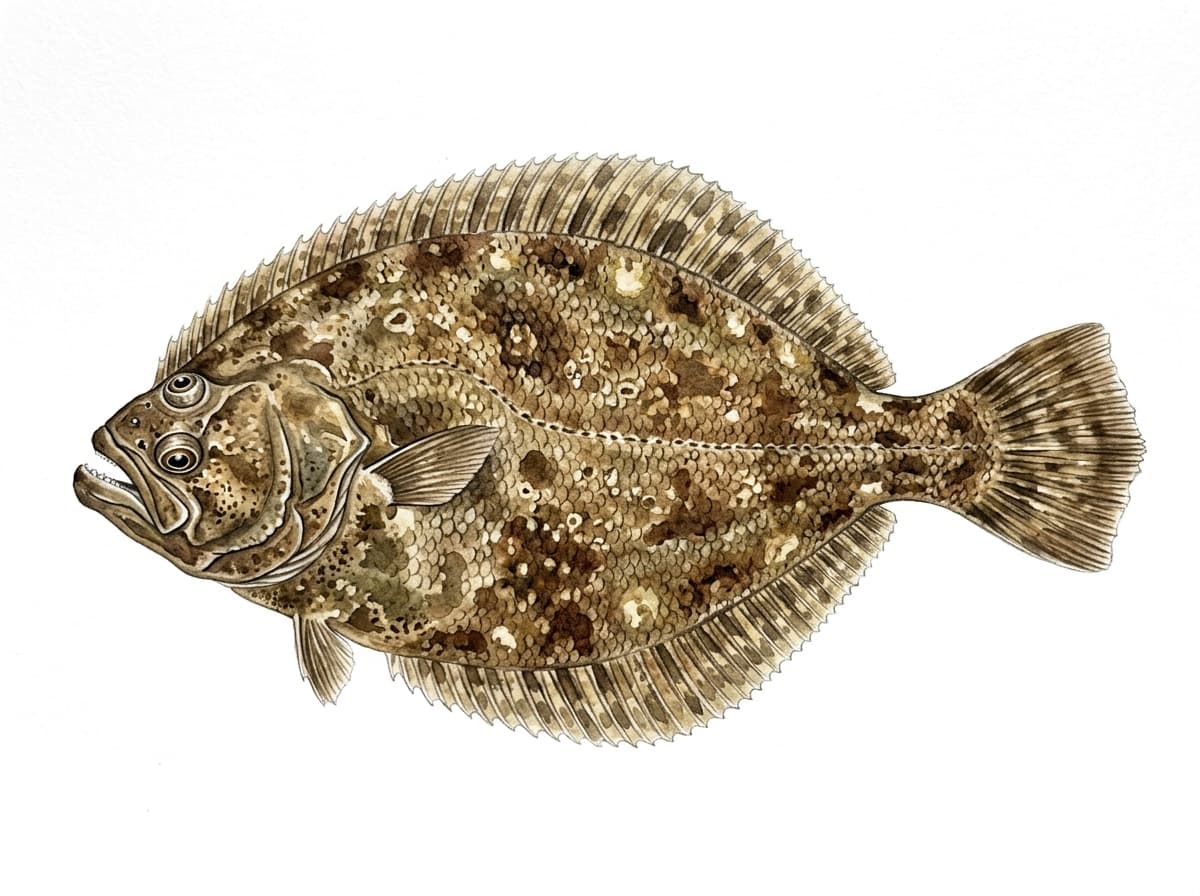
Flounder Water Temperature at Oregon Inlet
Ambush predators. Fish slow, fish the bottom, fish the edges.
Water Now
Flounder Band
The water at Oregon Inlet is inside the band anglers associate with flounder. That is an observation about temperature, not a report of fish. Bait, wind, structure and tide all move a bite that a thermometer cannot see.
The 68° Line
The 68° line is at this beach right now. It has not moved consistently enough this week to quote a rate.
Water at Oregon Inlet, Last 60 Days
Where they hold
Flounder are structure fish. They hold on the edges of inlet channels, along drop-offs, over shell bottom, and at the mouths of creeks and cuts. They face into the current and wait for bait to come to them.
Tide
Moving tide — both incoming and outgoing — puts bait in motion and gets flounder feeding. Slack water slows things down. Position at an edge and work the current seam.
How to fish them
- Slow-drag a Carolina rig along channel edges and drop-offs. Keep it on the bottom.
- Live finger mullet and mud minnows are top baits when available.
- Yellow or white bucktails with a curly tail or Gulp Alive fished on a slow hop.
- Work structure — dock pilings, bridge shadow lines, shell rakes, rock piles.
- In the surf, look for guts and cuts between sandbars at low tide to mark your spots.
- Leader length matters — 18–24" of 20–25lb fluorocarbon between the swivel and hook.
Pro Tip
If you are dragging a Carolina rig and not hitting bottom, you are not catching flounder. These fish will not rise more than a few inches off the bottom to eat. Slow down and stay in contact with the bottom.
Rigged for flounder
Flounder Carolina Rig · Bucktail Jig — Yellow